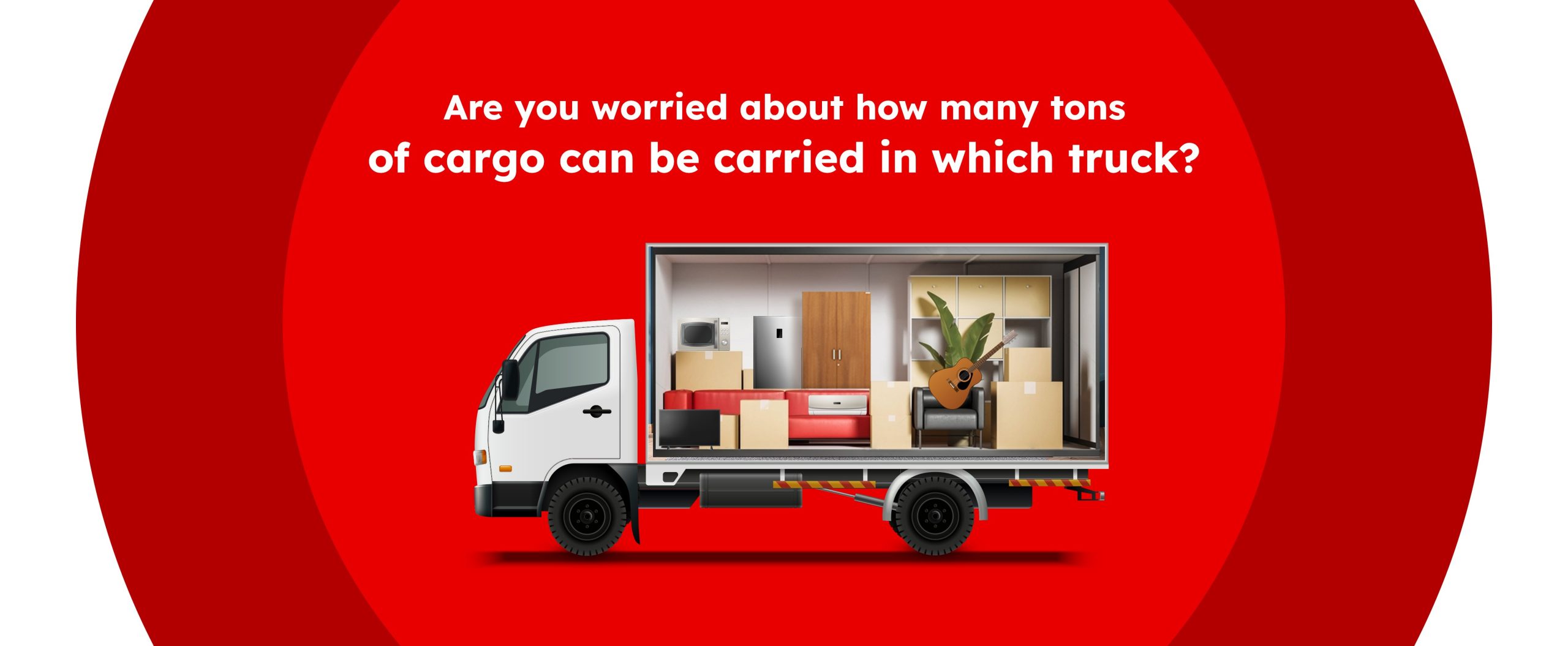


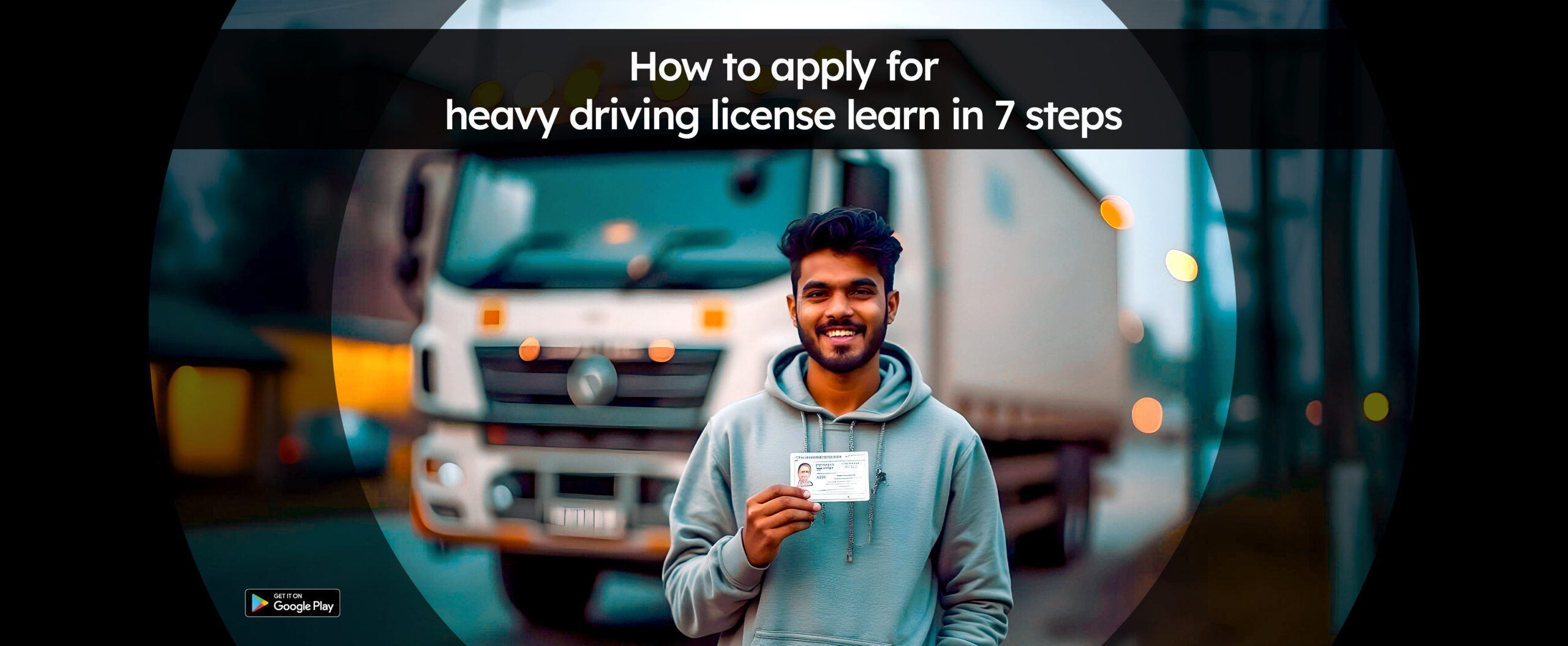
A heavy driving licence is the professional licence you need to drive large trucks, covered vans and buses in Bangladesh. Most drivers get one by moving up from a light licence to a medium licence, then to a heavy licence.
You apply on the BRTA Service Portal (BSP), pass a written, oral and practical test, submit a dope test report and pay for the smart card. The professional smart card costs Tk 2,832 and is valid for five years. You must be at least 21 and have passed Class 8.
What a heavy licence cover?
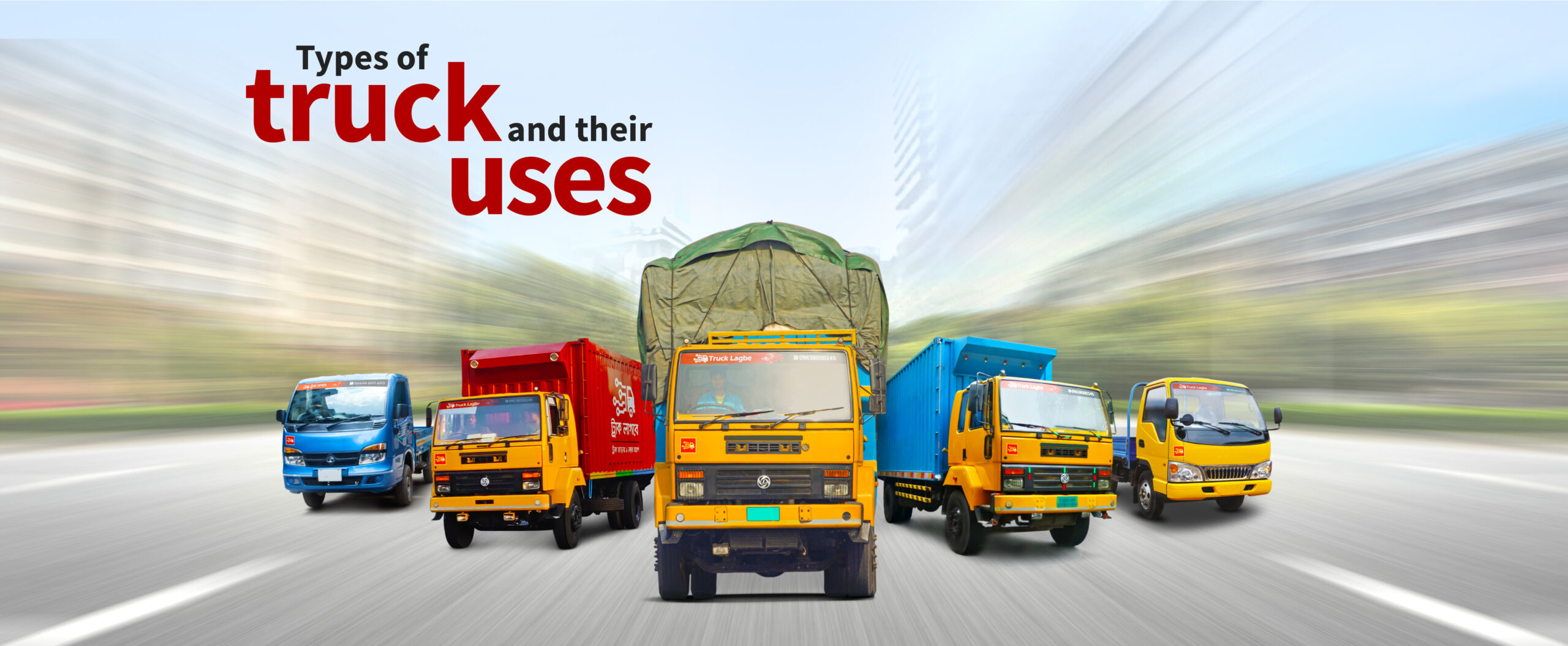
Bangladesh licences come in three classes: light, medium and heavy. The Road Transport Act 2018 defines each vehicle class by its registered laden weight, and a heavy licence sits at the top. Under section 4(2) of the Act, a heavy licence holder may also drive light and medium vehicles, so you do not need to keep separate licences for smaller trucks.
| Licence class | Typical vehicles | Who usually holds it |
|---|---|---|
| Light | Cars, jeeps, microbuses, small pickups | New drivers, private car owners, pickup drivers |
| Medium | Mid-size goods vehicles, minibuses | Drivers moving up from light |
| Heavy | Large trucks, covered vans, buses, trailers | Experienced commercial drivers |
The licence also comes in two types. A non-professional licence is for people who drive their own vehicle. A professional licence is for drivers who are paid to drive, and every heavy licence used for commercial trucking is professional. If you are not sure which truck sizes you will be driving, our guide to truck sizes in Bangladesh lists the common sizes and loads. For a broader overview of driving licence classes and types in Bangladesh, see “driving licence classes and types in Bangladesh”.
Who can apply: age, education and experience
Section 6(2) of the Road Transport Act 2018 sets the basic rules for a professional licence. You must be at least 21 years old, have passed Class 8 or an equivalent, and pass the driving competency test. A non-professional licence needs a minimum age of 18.
Experience takes the longest to meet. Under BRTA’s long-standing practice, you hold a professional light licence for three years before you can apply for medium, and then hold medium for three years before you can apply for heavy. That adds up to about six years from your first licence to a heavy one, as The Daily Star has reported.
The government relaxed these waiting periods several times between 2018 and 2021, at one point letting light licence holders with three years of experience apply for heavy directly. Those relaxations were time-limited, and we found no sign that any of them is active in 2026. Some guides mention a shorter route with a recommendation letter from a transport workers’ union; we could not find any official basis for it. Check the current experience requirement on the BRTA Service Portal before you apply.
Documents you will need
Scan everything before you start, because the portal rejects files that are too large. According to UNB’s guide to the smart card licence, a photo must be 300 by 300 pixels and no larger than 150 KB, and every other scan must be under 600 KB.
| Document | Notes |
|---|---|
| National ID card (NID) | Your name and date of birth must match across every document |
| Current driving licence | Your medium licence, for an upgrade to heavy |
| Medical certificate | Signed by a registered doctor, on the form you download from BSP |
| Passport-size photo | 300 by 300 pixels, under 150 KB |
| Education certificate | Proof that you passed Class 8 or higher |
| Dope test report | From a government hospital or an approved centre |
| Utility bill | Only if your current address differs from your NID |
How to apply on the BRTA Service Portal
The application runs through BSP. You visit the BRTA office in person for the tests and your fingerprints and photo.
- Create an account on the BRTA Service Portal with your NID and mobile number, then log in.
- Apply for a learner licence for the heavy category, upload your documents, and pay the learner fee online. The learner licence lets you practise and book your test.
- Wait for your test date. The standard wait has been about two months. Since November 2024, BRTA has let applicants pay for an earlier slot: Tk 5,000 for a test within 7 to 15 days, Tk 3,000 for 16 to 30 days and Tk 2,000 for 31 to 60 days, according to risingbd.
- Take the written, oral, and practical tests at your BRTA circle office on the date sent to you by SMS. Results appear on your BSP dashboard and are sent to your phone.
- After you pass, log in to BSP, upload your dope test report, and pay the smart card fee.
- Give your fingerprints and photo at the BRTA office. This is often done on the test day; if not, BRTA sends the date by SMS.
- Download the e-paper licence from BSP once it is approved, and carry it until your smart card arrives.
Smart card printing has been delayed since BRTA’s contract with its card supplier ended in July 2025, as TBS reported. BRTA has told police and government offices to accept the QR-coded e-paper licence in the meantime, so keep a printed copy and a copy on your phone.
Fees and timeline
The current fees date from a December 2022 notification that raised nine licence-related charges, as Prothom Alo reported. We found no change since then, but confirm the amount on BSP at the time you pay.
| Item | Fee | Source |
|---|---|---|
| Learner licence, one category | Tk 518 | UNB, 2023 |
| Learner licence, two categories | Tk 748 | UNB, 2023 |
| Professional smart card, valid 5 years | Tk 2,832 | UNB, 2023 |
| Professional renewal | Tk 2,487 | Reported, not confirmed by BRTA |
| Late renewal | Tk 518 per year | Reported, not confirmed by BRTA |
| Earlier test slot (optional) | Tk 2,000 to Tk 5,000 | BRTA order, November 2024 |
| Dope test | Tk 900 in 2022 | TBS, 2022 |
Plan for about two months from the learner licence to the test, or less if you pay for an earlier slot. The dope test, police verification and card printing add more time, so a realistic total is several months.
The tests and how to prepare
All three tests happen at your BRTA circle office, usually on the same visit. The written test covers road signs, traffic rules and basic vehicle knowledge. In the oral test, or viva, the examiners ask about the same topics and about how you would handle situations on the road. In the practical test, you drive a vehicle of the class you applied for while an examiner watches.
Many heavy licence applicants have already worked on trucks as helpers or drivers of smaller vehicles, so the driving itself is familiar. Give the written and oral tests the same attention: study the road signs and traffic rules, and practise on the same class of vehicle you will be tested on.
After you get it: renewal, dope tests and demerit points
A professional licence is valid for five years. Renewal also needs a fresh dope test, which has been mandatory for issuing and renewing professional licences since 30 January 2022, according to The Daily Star. Drivers have reported having to retake the practical test at renewal; check BSP for the current requirement when your renewal is due.
If your licence has already expired, renew it soon. BRTA has allowed licence renewals without late fines until 29 October 2026 and has called this the final extension, as the Daily Observer reported.
Since June 2026, BRTA has also been deducting demerit points. Every licence carries 12 points under section 11(1) of the Road Transport Act 2018. Most of the 13 listed offences cost one point, while overloading and deliberately blocking a road cost two each, according to a BRTA notice reported by Bangla Tribune. In June 2026 alone, BRTA deducted 78 points from 75 drivers, the Daily Star Bangla reported. Lose all 12 and the licence is cancelled, and you cannot renew it or apply for a new one. For truck drivers, overloading is the offence to watch, which is one more reason to stay within a truck’s rated payload.
Driving a vehicle outside your licence category, or without a valid licence, can bring up to six months in prison, a fine of up to Tk 25,000, or both, under section 66 of the Act, as Dhaka Times reported in April 2026.
What may change: mandatory training
In October 2025, the government announced that new drivers would need 60 hours of training before getting a licence, with licensing work moving from BRTA to driving institutes, according to the Daily Star Bangla. In February 2026, BRTC signed an agreement to train 60,000 drivers at its institutes, as the Financial Express reported.
We found no gazette notice or start date that makes the training a condition for a licence yet. If you are planning to apply in the coming months, check BSP and BRTA notices for the training requirement before you book your test.
Mistakes that delay applications
Any of these errors can hold up an application:
- A scan over 600 KB, or a photo that is not 300 by 300 pixels.
- A name or date of birth that does not match your NID.
- Missing the test or biometrics date sent by SMS, usually because the mobile number on BSP has changed.
- A medical certificate that is not on the BSP form.
- Applying for heavy before you have held a medium licence for the required time.
- Leaving the dope test until the last week, when hospital appointments can take time.
Driving trucks with Truck Lagbe
Once you have your heavy licence, you can find trips through the Truck Lagbe Owner app. Truck owners and drivers register by uploading their NID and driving licence, then bid on trips posted by verified shippers.
Read more about earning with your truck on Truck Lagbe, or download the app.
Frequently asked questions
How much does a heavy driving licence cost in Bangladesh?
The learner licence costs Tk 518 for one category, and the professional smart card costs Tk 2,832 for five years. You also pay for the dope test and any optional fee for an earlier test slot. Check BSP for the current amounts before paying.
Can I go straight from a light licence to a heavy licence?
Not under the current rules as far as we can find. The standard path is light to medium to heavy, with three years at each step. A temporary relaxation between 2020 and 2021 allowed a direct jump, and we found no sign it was extended after June 2021.
How long does it take to get a heavy licence?
Expect about two months from the learner licence to the test, or as little as one to two weeks if you pay for an earlier slot. The dope test, police verification and smart card printing add more time.
What is the minimum age for a heavy licence?
The Road Transport Act 2018 sets 21 as the minimum age for any professional licence. Because of the experience required at each step, most drivers are older by the time they qualify for heavy.
Is a dope test required for a heavy licence?
Yes. A dope test report from a government hospital or an approved centre has been required for every professional licence, new or renewed, since 30 January 2022.